
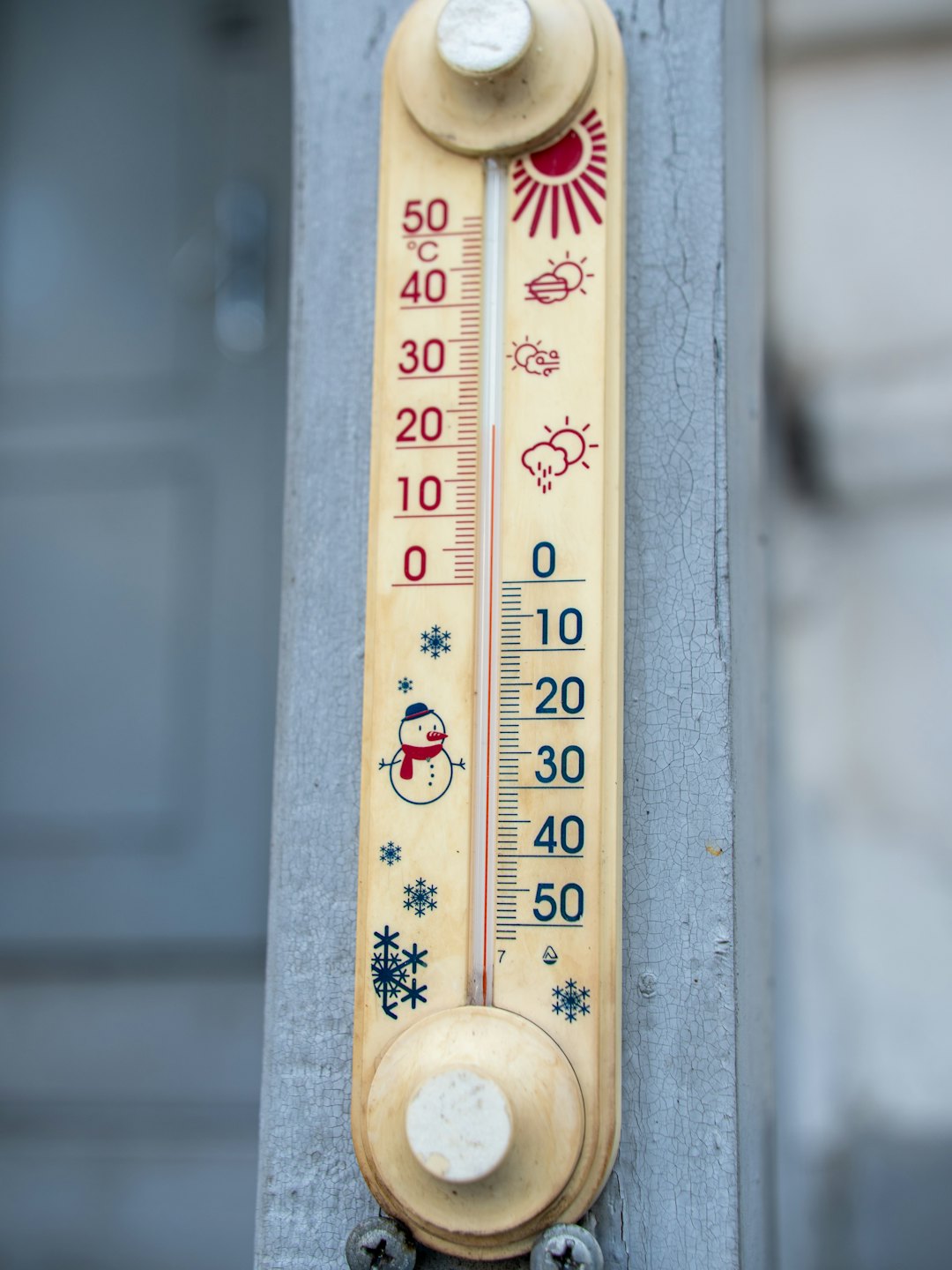
Explore the Temperature UK Guide: Understanding Thermal Effects on Connectivity
This guide educates businesses on how temperature changes influence mobile signal strength and website reliability, outlining strategies for optimizing performance across varying UK climates.
Temperature UK
The complete Temperature UK guide for businesses that want to understand how heat, cold, and thermal conditions affect mobile signal and real‑world website performance.
Why Temperature Matters
Temperature affects how mobile networks operate and how signals travel through the air. This Temperature UK guide explains how heat, cold, and thermal fluctuations influence signal strength, throughput, and real‑world website performance for UK users.
Even with strong coverage and modern networks, temperature changes can reduce performance for mobile users.
How Temperature Affects Signal (UK Breakdown)
1. Cold Air
Cold air is denser and absorbs more signal energy, reducing range and increasing latency.
2. Hot Air
Hot air reduces air density, allowing signals to travel further but with more distortion.
3. Thermal Inversions
Temperature layers bend or scatter mobile signals, reducing clarity and stability.
4. Equipment Performance
Extreme heat or cold affects mobile towers and network hardware, reducing throughput.
5. Seasonal Variability
Winter and summer create different signal behaviours, affecting real‑world performance.
Why Temperature Matters for UK Websites
Temperature affects how quickly mobile users can load and interact with your website.
- Slower LCP during cold, dense‑air conditions.
- Higher INP from increased input delay on unstable networks.
- Unstable performance during heatwaves or winter cold snaps.
- Reduced reliability in regions with rapid temperature shifts.
- Lower conversions from inconsistent mobile speed.
Temperature‑aware optimisation is essential for UK businesses with mobile‑first audiences.
Temperature Patterns in the UK
The UK’s climate creates unique temperature‑related performance challenges throughout the year.
- Cold winters: denser air reduces signal range and increases latency.
- Heatwaves: network equipment becomes less efficient under thermal load.
- Rapid temperature swings: create unstable signal propagation.
- Coastal regions: temperature and humidity combine to weaken 5G performance.
- Urban heat islands: warmer air reduces density but increases distortion.
Many UK websites see performance drops during temperature extremes, even when servers are fully optimised.
Common Temperature‑Related Issues (UK Websites)
- Slow LCP from delayed asset delivery during cold or hot conditions.
- High INP due to unstable mobile connections.
- Slow TTFB from routing delays caused by thermal interference.
- Inconsistent performance across different seasons.
- High abandonment during poor signal periods.
How to Improve Performance During Temperature Extremes (UK Strategy)
- Compress images — essential for weak or unstable connections.
- Reduce JavaScript — faster interactions on variable networks.
- Use a CDN — improves delivery consistency across the UK.
- Enable HTTP/3 — better performance on mobile networks.
- Optimise fonts — reduce rendering delay.
What Temperature‑Aware Optimisation Can Achieve
With the right optimisation strategy, UK websites can achieve:
- Faster LCP in all temperature conditions.
- Lower INP during real‑world interactions.
- Better Core Web Vitals nationwide.
- Reduced bounce rates during poor signal periods.
- Higher SEO rankings from consistent mobile speed.
Temperature‑aware optimisation is one of the most impactful upgrades for UK websites today.
Improve Temperature UK Performance Today
If you want faster delivery, stronger rankings, and a fully mobile‑optimised setup — TrafficVault’s temperature‑aware performance systems are engineered for UK businesses that want real results.
Discover Valuable Learning Materials
This section highlights key resources designed to support learning and development in various fields.

Topic One
This topic covers essential concepts to enhance your understanding.

Topic Two
This topic delves into advanced strategies and techniques.

Topic Three
Explore this topic for foundational knowledge and insights.
Understanding Temperature Effects on UK Mobile Signals
Discover how temperature variations impact mobile connectivity and how our guide helps businesses optimize performance under these changing conditions.
Temperature Influence on Signal Strength
Explore how fluctuating thermal conditions can weaken mobile signals and learn practical steps to mitigate these disruptions efficiently.
Impact on Website Performance
Learn how temperature-induced signal changes affect website accessibility and what strategies can enhance reliability and speed.
Optimization Strategies for All Climates
Find out how to adapt your digital infrastructure to maintain seamless user experiences despite varying UK weather patterns.
Comprehensive Insights into Temperature and Signal Data
Explore vital data revealing how temperature variations affect mobile signal quality and website responsiveness across the UK.
122
Signal Strength Variability
Analyzing how thermal fluctuations influence mobile signal reception in urban and rural environments.
198
Website Performance Impact
Examining the correlation between temperature changes and website load times for enhanced user experience.
305
Optimization Strategies
Discover effective methods to maintain reliable connectivity and website performance despite temperature shifts.
Understanding Temperature Effects
Explore how temperature variations influence mobile signal strength and website performance across the UK, guiding you through essential insights and strategies.
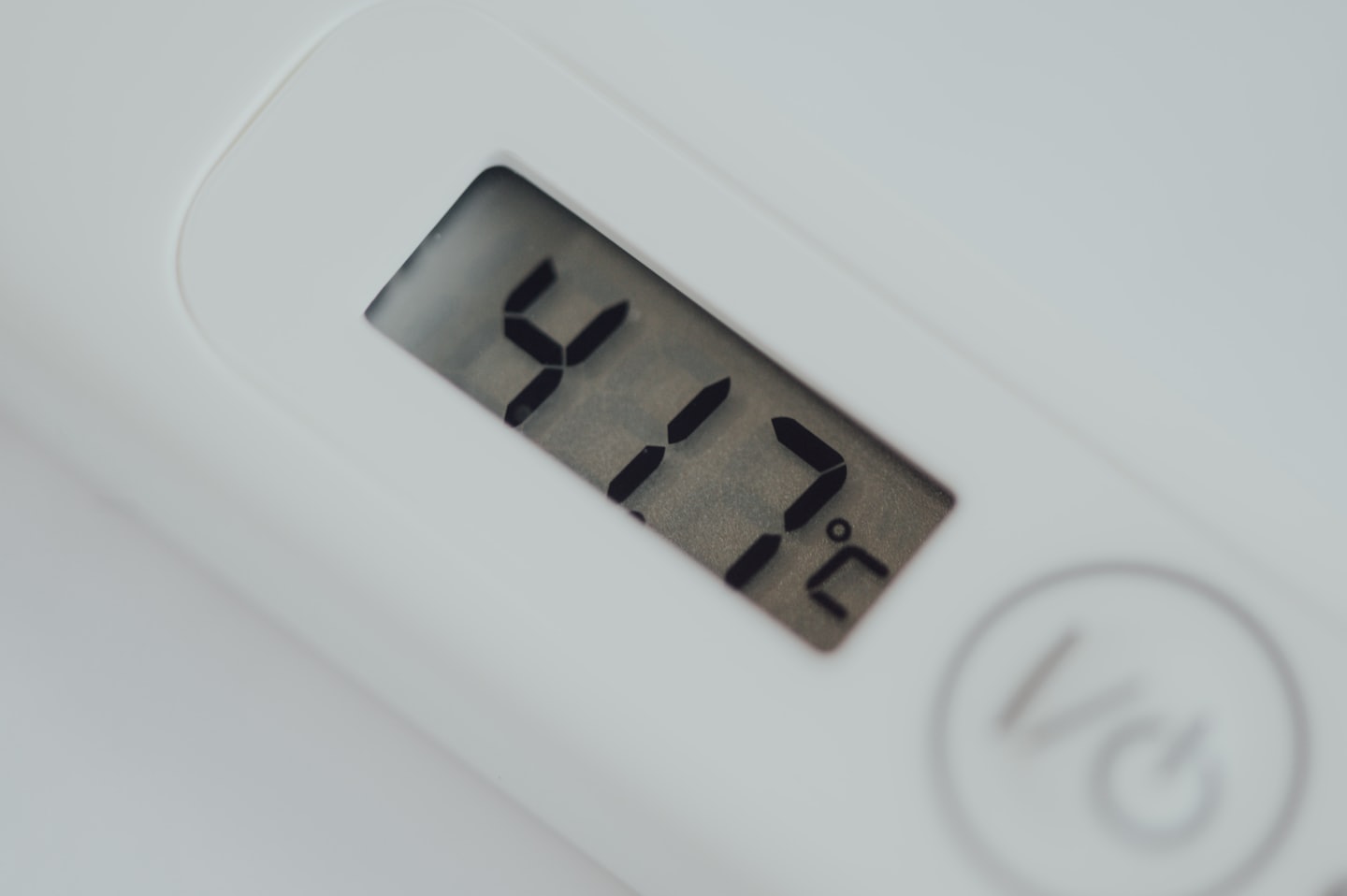

Step One: Assess Thermal Conditions
Identify how local temperature fluctuations impact your mobile connectivity and online platform stability.

Step Two: Optimize Signal
Implement techniques to enhance signal reliability under varying UK climate scenarios.

Step Three: Enhance Website Performance
Apply best practices to ensure your website remains responsive despite temperature-induced signal changes.