
Explore the Impact of Solar Radiation in the UK
This section delves into how solar radiation affects atmospheric conditions across the UK, explaining its role in energy input, atmospheric stability, and mobile network performance, providing a clear understanding of the factors shaping network efficiency.

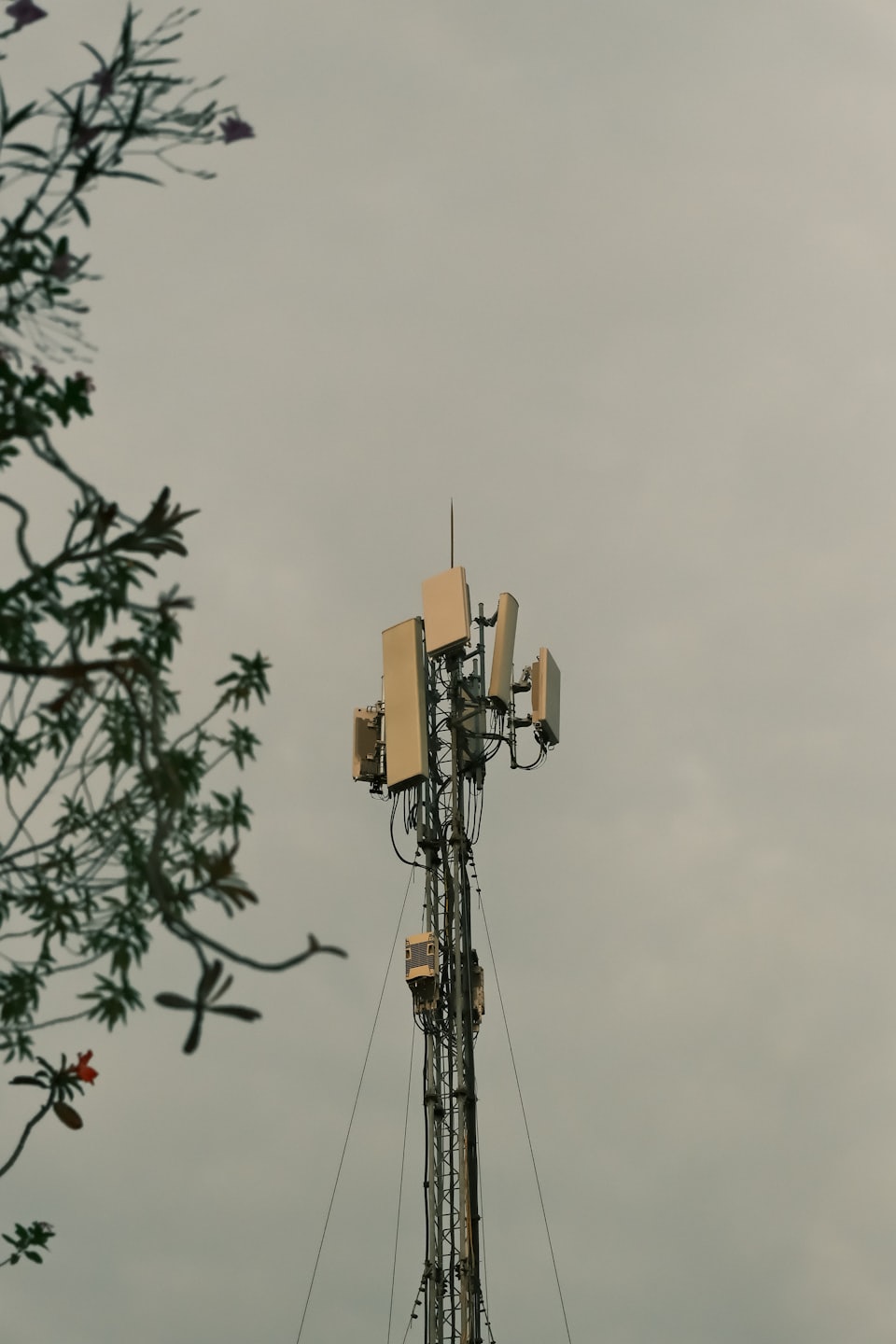

UV Index UK — Solar Intensity, Atmospheric Clarity & Real‑World Mobile Performance
The UV Index measures the intensity of ultraviolet radiation reaching the Earth’s surface. In the UK, UV levels vary by season, cloud cover, altitude, and atmospheric clarity. These variations influence heating, stability, fog dissipation, and the density layers that mobile signals must travel through. This page explains how the UV Index behaves in the UK, how it affects API‑UK scores, and how TrafficVault engineers mobile performance systems that remain stable under shifting UV conditions.
What the UV Index Measures
The UV Index measures the strength of ultraviolet radiation from the sun. While commonly associated with skin exposure, UV levels also reveal how clear or obstructed the atmosphere is. High UV means fewer clouds, lower moisture, and stronger solar penetration. Low UV means thicker cloud, fog, or atmospheric scattering.
UV levels influence:
- Fog dissipation — higher UV accelerates droplet evaporation.
- Atmospheric stability — UV‑driven heating increases turbulence.
- Cloud behaviour — UV intensity affects cloud thickness and altitude.
- Signal clarity — clear skies improve propagation; unstable layers reduce it.
For UK businesses, UV is a performance indicator. It signals whether the atmosphere is clear, fog‑prone, turbulent, or stable — each with different mobile performance outcomes.
UV Index Inside the API‑UK Framework
API‑UK uses UV Index as a proxy for atmospheric clarity and solar penetration. High UV indicates clear skies and strong heating, while low UV indicates cloud, fog, or moisture‑heavy conditions.
UV Index influences API‑UK scores through:
- Fog behaviour — low UV preserves fog; high UV clears it.
- Thermal turbulence — high UV increases instability.
- Cloud thickness — UV levels correlate with cloud opacity.
- Signal path stability — clear skies improve clarity; unstable layers reduce it.
UV is not a direct signal‑affecting variable, but it is a strong indicator of the atmospheric state that determines performance.
The Science Behind UV & Signal Behaviour
UV radiation is filtered by clouds, aerosols, ozone, and atmospheric moisture. When the atmosphere is clear, UV levels rise. When the atmosphere is dense with droplets or cloud, UV levels fall.
Factors That Control UV Levels in the UK
- Cloud cover: Thick cloud blocks UV; clear skies increase it.
- Atmospheric moisture: Fog and mist reduce UV penetration.
- Sun angle: Lower in winter → lower UV.
- Ozone concentration: Higher ozone reduces UV.
- Aerosols: Pollution and particulates scatter UV.
How UV Affects Signals
UV itself does not interfere with radio waves, but the conditions that control UV levels do:
- High UV → clear skies → stable propagation (until turbulence increases).
- Low UV → fog/cloud → high scattering and reduced clarity.
- High UV midday → thermal turbulence causing unstable paths.
UV Index & API‑UK Score Impact
UV Index correlates with atmospheric clarity and stability. The table below shows how UV levels influence expected performance within the API‑UK model.
| UV Level | Atmospheric Behaviour | Mobile Performance Impact | API‑UK Score Shift |
|---|---|---|---|
| 0–1 (Very Low) | Fog, thick cloud, high moisture. | Strong attenuation, slower loads. | –10 to –25 |
| 2–3 (Low) | Cloudy, stable, mild scattering. | Moderate clarity, predictable performance. | –5 to +5 |
| 4–6 (Moderate) | Clearer skies, mild turbulence. | Improved clarity, stable metrics. | +5 to +15 |
| 7–8 (High) | Strong heating, high turbulence. | Variable latency, unstable interactions. | –5 to –15 |
| 9+ (Very High) | Extreme heating, severe instability. | Frequent spikes, unpredictable performance. | –15 to –30 |
What UV Levels Mean for UK Brands
UV levels reveal whether the atmosphere is fog‑prone, clear
In-depth Analysis of Solar Radiation Data
Explore crucial statistics on solar radiation’s influence in the UK, revealing its effects on atmospheric energy and network performance.
1350
Solar Energy Input
Examining solar radiation levels and their direct impact on atmospheric energy absorption across the UK.
78
Atmospheric Stability
Assessing how varying solar radiation affects atmospheric conditions and stability in different regions.
92
Mobile Performance Impact
Analyzing the correlation between solar radiation fluctuations and real-world mobile network performance metrics.
Understanding Solar Radiation’s Impact on UK Atmospheric Conditions
Explore how solar radiation influences energy input, atmospheric stability, and mobile network performance across the UK.

Energy Input and Atmospheric Effects
Discover how solar radiation drives energy absorption and shapes the UK’s atmospheric dynamics for weather and climate.

Influence on API-UK Scores
Learn how varying solar radiation levels affect API-UK scores, reflecting atmospheric stability and network reliability.

Optimizing Mobile Network Performance
Strategies to enhance mobile connectivity by adapting to changing solar radiation conditions throughout the UK.
Discover Valuable Learning Materials
This section highlights key resources designed to support learning and development in various fields.
Topic One
This topic covers essential concepts to enhance your understanding.
Topic Two
This topic delves into advanced strategies and techniques.
Topic Three
Explore this topic for foundational knowledge and insights.
Insights into Solar Radiation’s Role in UK Climate
Discover how solar radiation influences atmospheric conditions in the UK and learn methods to optimize energy input and mobile network performance.
Impact of Solar Radiation on UK Atmospheric Stability
This section details the scientific principles behind solar radiation, explaining its effects on API-UK scores and strategies to enhance mobile network reliability under varying solar conditions.


Maximizing Mobile Performance Amid Solar Variability
An in-depth look at optimizing mobile networks by adapting to solar radiation fluctuations, ensuring consistent service quality across the UK.
Harnessing Solar Data for Improved Network Efficiency
Explore how integrating solar radiation metrics can streamline mobile network operations, reduce downtimes, and boost overall performance.