
Enhance Your Website with FID & INP Insights
Discover how mastering FID and INP improves responsiveness, reduces delays, and boosts user satisfaction for UK businesses.
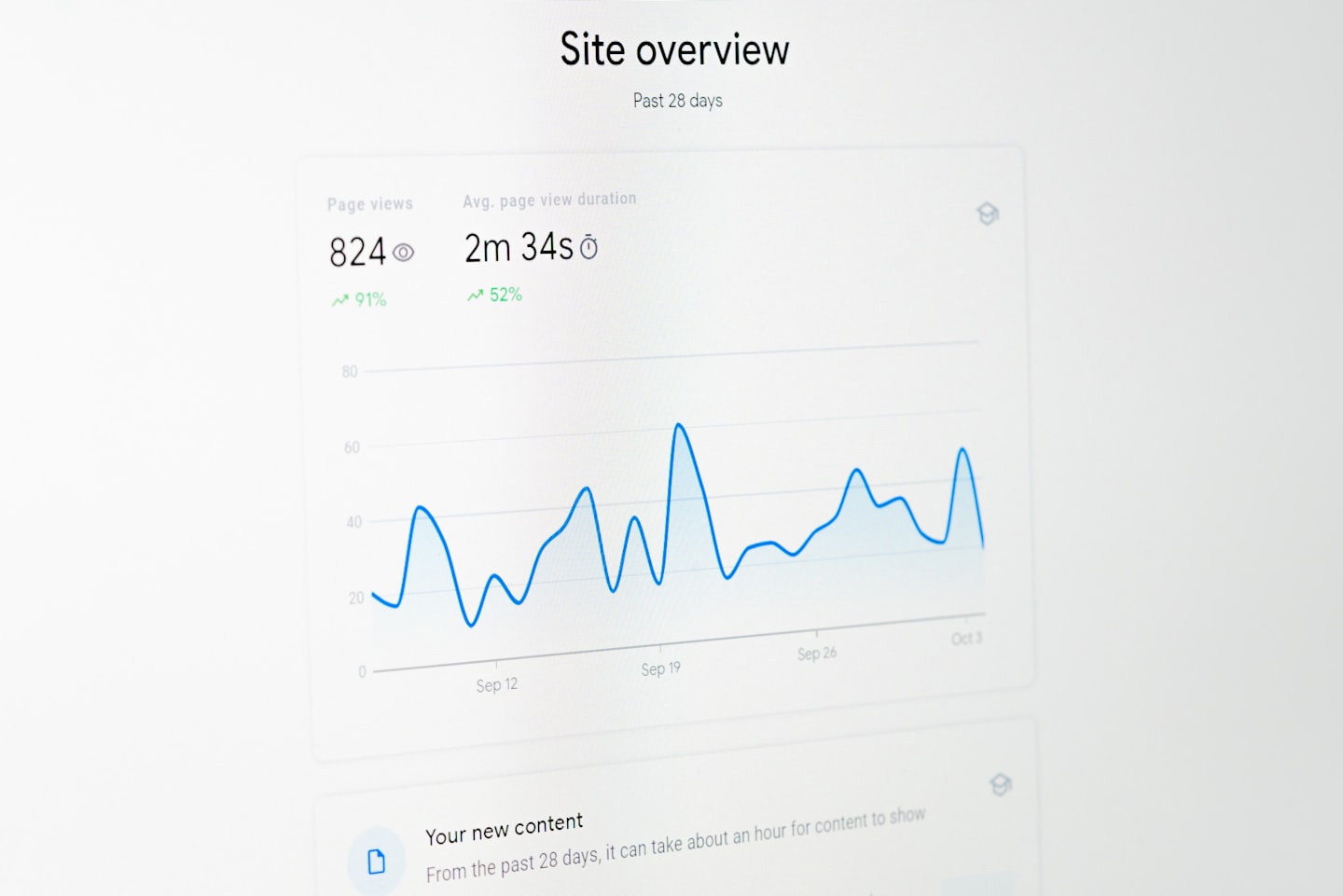
Optimized First Input Delay Analysis
Understand and reduce FID to make your site more responsive, ensuring users experience faster interaction readiness.
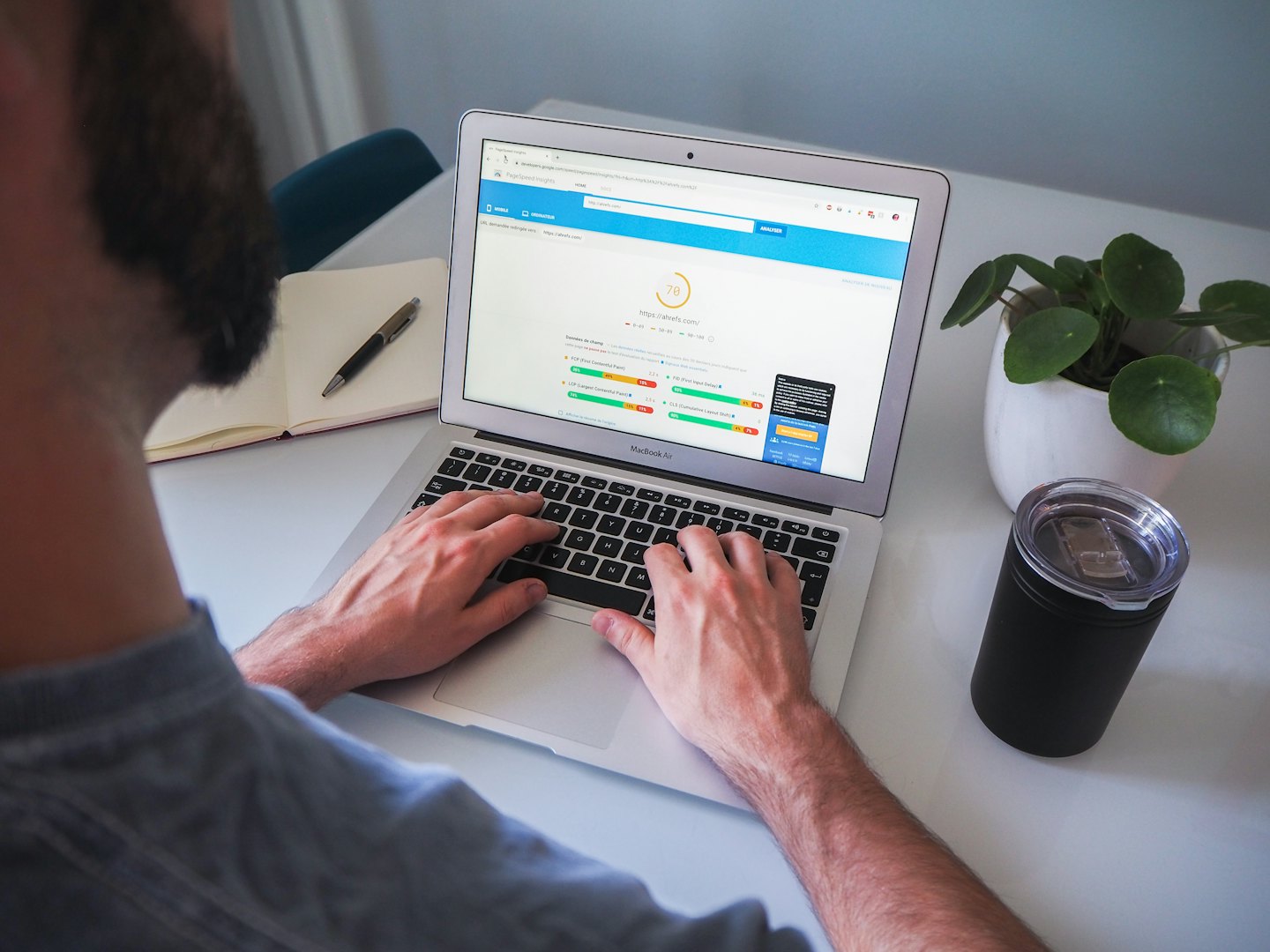
Comprehensive Interaction to Next Paint Guidance
Learn how INP tracking helps measure consistent interaction speed, critical for SEO and mobile performance.

Practical Strategies for UK Network Optimization
Implement tailored techniques to manage JavaScript and CPU load, enhancing load times across UK-specific conditions.
FID / INP UK
The complete INP & FID UK guide for businesses that want faster interaction, reduced input delay, and stronger Core Web Vitals across the UK.
What Are FID & INP?
FID (First Input Delay) and INP (Interaction to Next Paint) measure how quickly your website responds when a user interacts with it. This INP UK guide explains how JavaScript, CPU load, and main‑thread blocking affect responsiveness for UK websites.
INP is now the primary Core Web Vital for interaction performance — replacing FID.
How INP Works (UK Breakdown)
1. Input Delay
Measures how long it takes before the browser begins processing a user action.
2. Processing Time
Heavy JavaScript increases CPU usage and slows down interaction.
3. Presentation Delay
The browser must update the UI — slow rendering increases INP.
4. Main‑Thread Blocking
Long tasks block the browser from responding to user input.
5. Device Performance
UK mobile devices vary widely — low‑end phones struggle with heavy JS.
Why INP Matters for UK Websites
INP directly affects user experience, conversions, and SEO — especially on mobile.
- Improves Core Web Vitals
- Reduces interaction delay
- Improves mobile responsiveness
- Strengthens SEO rankings
- Improves perceived speed
A fast INP is essential for UK businesses that want to compete on speed.
INP Performance for UK Hosting
INP performance in the UK depends heavily on JavaScript execution time, device performance, and network conditions.
- UK mobile networks struggle with heavy JavaScript bundles
- Low‑end UK devices have slower CPUs
- Third‑party scripts often load from US servers
- WooCommerce adds significant JS overhead
- Local SEO benefits from fast interaction performance
INP is often the biggest bottleneck for UK WordPress and WooCommerce sites.
Common INP Issues (UK Websites)
- Heavy JavaScript — long tasks block the main thread.
- Too many third‑party scripts — ads, trackers, widgets.
- Large JS bundles — slow on UK mobile networks.
- Slow event handlers — inefficient code increases delay.
- Unoptimised WooCommerce scripts — heavy and slow.
How to Improve INP (UK Strategy)
- Reduce JavaScript — biggest INP improvement.
- Defer non‑critical scripts — reduces blocking.
- Remove unused JS — reduces CPU load.
- Optimise event handlers — faster interaction.
- Use a CDN with UK edge servers — faster script delivery.
What Better INP Can Achieve
With the right INP optimisation strategy, UK websites can achieve:
- Faster interactions
- Better Core Web Vitals
- Lower bounce rates
- Improved mobile performance
- Higher SEO rankings
INP optimisation is one of the most impactful upgrades for real‑world responsiveness.
Improve INP UK Today
If you want stronger rankings, faster interactions, and a fully optimised SEO strategy — TrafficVault’s INP optimisation systems are engineered for UK businesses that want real results.
Enhancing Website Responsiveness for UK Businesses
Explore key challenges in web interaction delays and discover targeted strategies to optimize FID and INP for superior performance.

Minimizing First Input Delay (FID)
Learn how efficient JavaScript management significantly cuts down FID, enabling faster user interactions and smoother browsing.

Optimizing Interaction to Next Paint (INP)
Understand methods to reduce input latency and CPU load, enhancing INP and delivering a seamless user experience.

Adapting for UK Network Conditions
Discover tailored solutions that address UK-specific connectivity issues, ensuring consistent and rapid website responsiveness.
Explore the FID & INP Essentials
This guide provides in-depth insights into First Input Delay and Interaction to Next Paint, key for improving website responsiveness and user experience.
Understanding FID
Learn how First Input Delay impacts user interaction and methods to minimize delays.
Mastering INP
Discover techniques to optimize Interaction to Next Paint for smoother, faster responses.
Optimizing UK Web Performance
Explore strategies tailored for UK networks to enhance Core Web Vitals and reduce input lag.
Comprehensive Insights into FID & INP Metrics
Explore vital statistics that reveal how First Input Delay and Interaction to Next Paint impact website responsiveness and user experience.
135
First Input Delay
Measures the delay before a user’s first interaction is processed, crucial for responsive web design.
260
Interaction to Next Paint
Tracks the time from user input to the next screen update, vital for smooth interactions.
310
Core Web Vitals Score
Reflects overall website performance focusing on loading, interactivity, and visual stability.
Understanding FID & INP
Explore our detailed guide outlining how to measure and improve First Input Delay and Interaction to Next Paint for smoother website interactions.

Step One: Measuring Core Web Vitals
Learn how to accurately assess FID and INP metrics to identify interaction bottlenecks on your UK business website.

Step Two: Optimizing Performance
Discover strategies to reduce JavaScript execution time and CPU load, enhancing responsiveness and user experience.

Step Three: Overcoming Challenges
Implement practical techniques to tackle common issues such as network delays and improve mobile interaction speed effectively.