
Enhance Your Storage with Disk I/O UK
Discover how optimized Disk I/O boosts server speed, reduces bottlenecks, and drives WordPress and WooCommerce performance.

Accelerated Read/Write Speeds
Experience faster data access that improves website responsiveness and smooths database operations for critical business applications.

Increased IOPS for Efficient Performance
Benefit from higher input/output operations per second, ensuring reliable handling of demanding workloads and hosting stability.

Advanced Storage Technologies
Leverage NVMe and SSD solutions to maximize data throughput and enhance SEO rankings through improved server efficiency.
Disk I/O UK
The complete Disk I/O UK guide for businesses that want faster storage performance, stronger database speed, and more stable hosting across the UK.
Why Disk I/O Matters
Disk I/O determines how fast your server can read and write data. This Disk I/O UK guide explains how NVMe, SSD, and SATA storage affect database queries, caching, and overall performance for UK websites.
Slow Disk I/O is one of the biggest bottlenecks for WordPress and WooCommerce sites.
How Disk I/O Works (UK Breakdown)
1. Read Speed
Determines how fast your server can load files, database rows, and cached data.
2. Write Speed
Affects how quickly logs, cache files, and database updates are saved.
3. IOPS (Input/Output Operations Per Second)
Higher IOPS = faster performance under load, especially for WooCommerce.
4. Storage Type
NVMe is up to 10× faster than SATA SSDs — essential for UK performance.
5. Database Dependency
MySQL/MariaDB rely heavily on Disk I/O for queries, indexing, and caching.
Why Disk I/O Matters for UK Websites
Disk I/O affects every dynamic part of your website — from loading pages to processing orders.
- Improves database query speed
- Reduces TTFB
- Improves Core Web Vitals
- Handles more simultaneous users
- Improves WooCommerce performance
Fast storage is essential for UK businesses that rely on dynamic content.
Disk I/O Performance for UK Hosting
Disk I/O performance in the UK depends heavily on hosting quality, storage type, and database load.
- Many UK hosts still use slow SATA SSDs
- WooCommerce stores require high IOPS
- UK traffic peaks increase read/write operations
- NVMe hosting improves query speed dramatically
- Local SEO benefits from fast server response
NVMe is now the standard for high‑performance UK hosting.
Common Disk I/O Issues (UK Websites)
- Slow SATA SSDs — major bottleneck for dynamic sites.
- High database load — increases read/write operations.
- No object caching — repeated queries hit the disk.
- Large log files — slow write operations.
- Shared hosting — disk contention with other users.
How to Improve Disk I/O (UK Strategy)
- Switch to NVMe UK hosting — fastest read/write speeds.
- Enable Redis or Memcached — reduces disk queries.
- Optimise database tables — reduces I/O load.
- Enable full‑page caching — fewer disk operations.
- Remove heavy plugins — reduces database writes.
What Better Disk I/O Can Achieve
With the right Disk I/O optimisation strategy, UK websites can achieve:
- Faster page loads
- Lower CPU usage
- Better Core Web Vitals
- Improved WooCommerce performance
- Higher SEO rankings
Disk I/O optimisation is one of the most impactful upgrades for dynamic websites.
Improve Disk I/O UK Today
If you want stronger rankings, faster load times, and a fully optimised hosting environment — TrafficVault’s Disk I/O optimisation systems are engineered for UK businesses that want real results.
Enhancing Storage Performance for UK Businesses
Explore key Disk I/O challenges and discover how our insights drive faster, more stable server performance.
Optimising Read/Write Speeds
Learn how accelerating read/write operations boosts database efficiency and overall hosting reliability.
Maximising IOPS for Stability
Discover strategies to increase input/output operations per second, reducing bottlenecks and downtime.
Leveraging NVMe & SSD Storage
Find out how advanced storage types like NVMe and SSD enhance WordPress and WooCommerce performance.

Comprehensive Insights into Disk I/O Performance
Explore vital statistics that reveal how Disk I/O impacts server speed, reliability, and overall system efficiency.
450
Average Read/Write Speed
This metric measures the average data transfer rates, crucial for accelerating website and database responsiveness.
7500
IOPS Capacity
Indicates the number of input/output operations per second, reflecting the storage system’s ability to handle workloads.
95
Storage Uptime
Represents the percentage of time the storage infrastructure remains operational without interruptions.
Optimize Your Disk I/O Performance
This guide provides crucial insights to improve storage efficiency and server responsiveness for UK businesses.
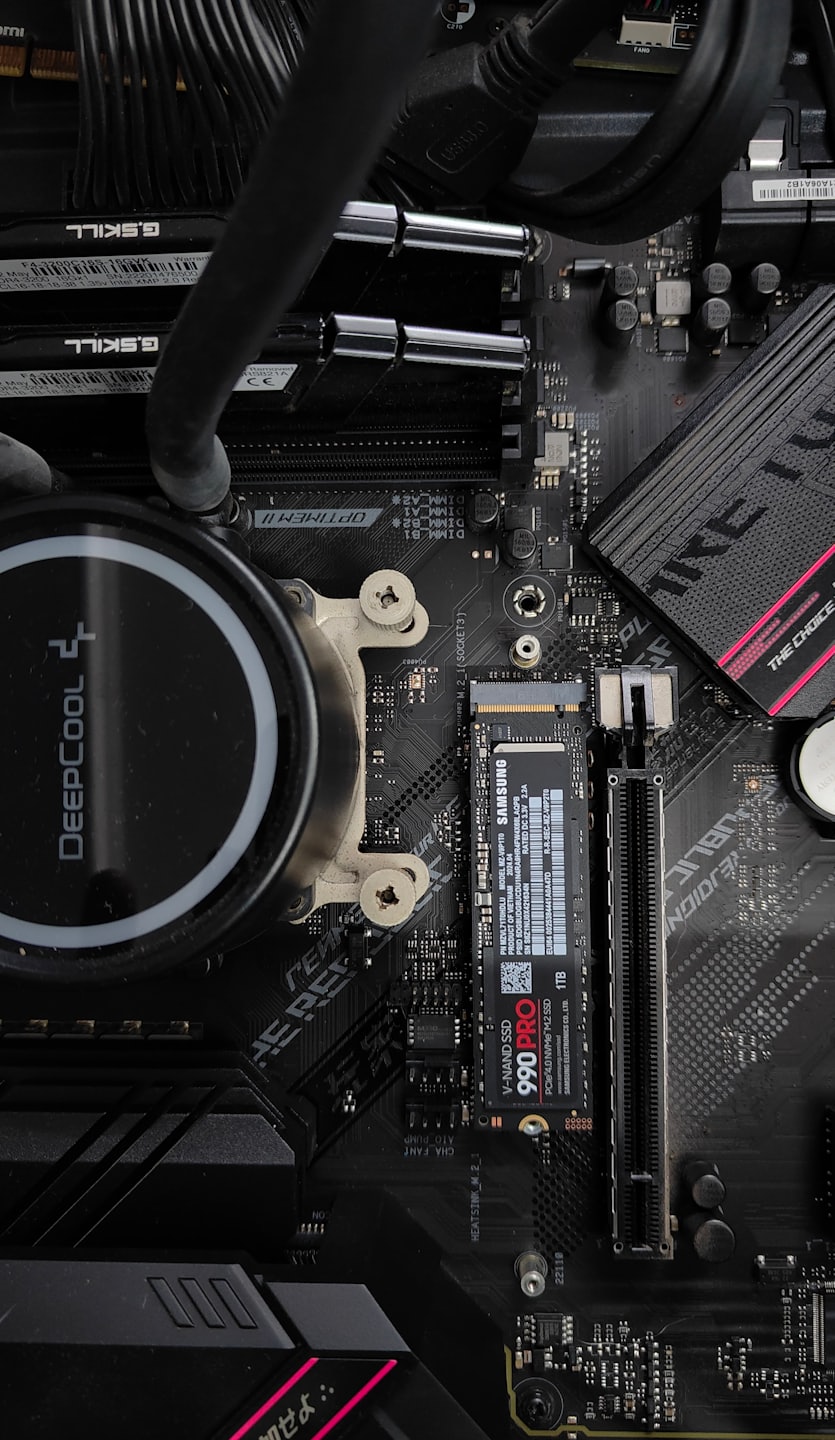
Understanding Disk I/O Basics
Learn key concepts like read/write speeds and IOPS to boost your system’s performance.

Advanced Storage Solutions
Discover strategies using NVMe and SSD technologies to enhance hosting stability.
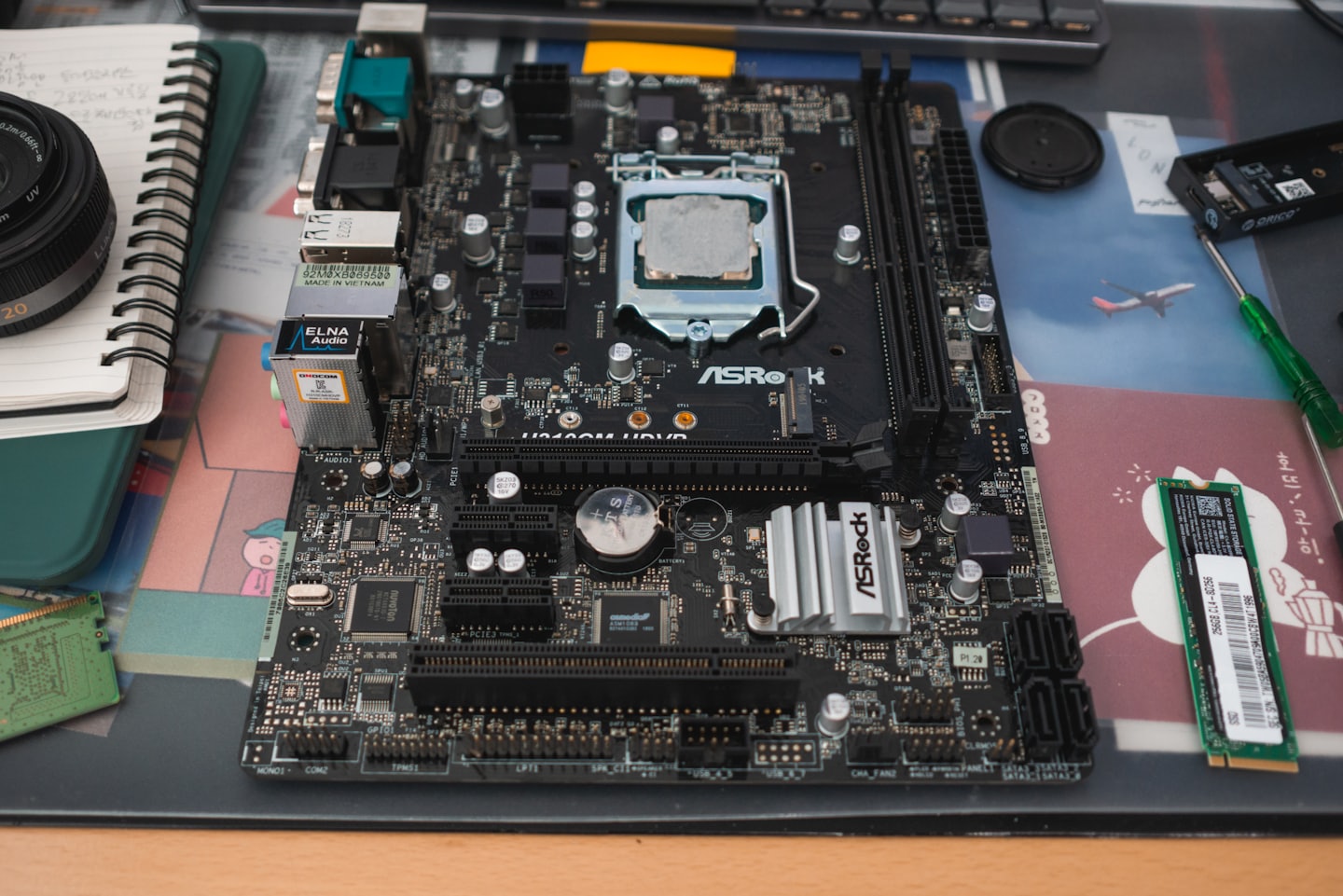
Performance Optimization Tips
Gain actionable advice to reduce bottlenecks and improve WordPress and WooCommerce speeds.
Understanding Disk I/O Performance
Explore how optimizing Disk I/O enhances your server’s speed and stability, ensuring seamless operations for your UK-based business.

Step One: Assess Your Storage Needs
Begin by evaluating your current storage infrastructure to identify bottlenecks affecting disk read/write speeds and overall server efficiency.

Step Two: Optimize Disk Configuration
Implement improvements such as upgrading to SSD or NVMe drives and fine-tuning IOPS settings to boost your system’s responsiveness.

Step Three: Enhance Website Performance
Leverage optimized Disk I/O to accelerate WordPress and WooCommerce platforms, improving load times and SEO outcomes across the UK.
