
Experience Enhanced Website Speed and SEO Performance
Discover how optimizing your images can transform your website’s load times, boost search rankings, and improve user engagement across all devices.
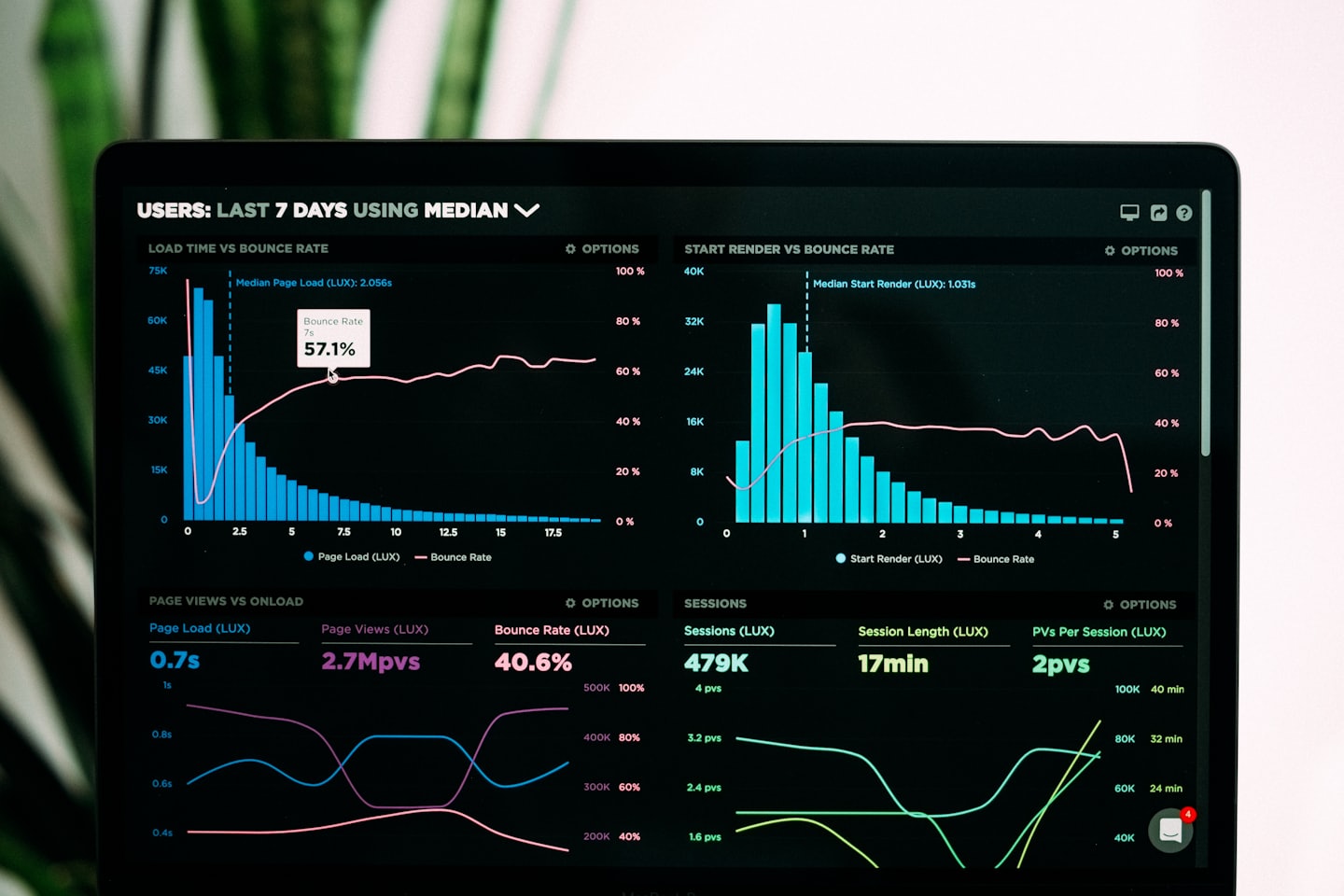
Faster Page Load Times
Reduce image file sizes to speed up your website, ensuring visitors enjoy a smooth, efficient browsing experience that lowers bounce rates.

Improved Core Web Vitals
Enhance metrics like Largest Contentful Paint and Cumulative Layout Shift by using optimized images, making your site more user-friendly and Google-approved.

Better Mobile Performance
Deliver lighter, faster-loading images tailored for mobile devices, providing a seamless experience for users on smartphones and tablets.
Image Optimisation UK
The complete Image Optimisation UK guide for businesses that want faster load times, lighter pages, and stronger Core Web Vitals across the UK.
Why Image Optimisation Matters
Images are the heaviest assets on most websites. This Image Optimisation UK guide explains how WebP, AVIF, compression, resizing, and CDN delivery dramatically improve speed, SEO, and user experience for UK websites.
Optimised images reduce page weight, improve LCP, and make your site feel instantly faster.
How Image Optimisation Works (UK Breakdown)
1. Format Conversion
Converting images to WebP or AVIF reduces file size by 30–70% without losing quality.
2. Compression
Smart compression reduces file weight while keeping images sharp and clean.
3. Resizing
Serving images at the correct dimensions prevents oversized files from slowing pages.
4. Lazy Loading
Images load only when they enter the viewport, improving initial load speed.
5. CDN Delivery
CDNs deliver images from UK edge servers for faster load times.
Best Image Formats for UK Websites
- WebP — excellent balance of quality and compression.
- AVIF — highest compression, best for modern browsers.
- JPEG — legacy format, larger file sizes.
- PNG — best for transparency, but heavy.
- SVG — ideal for icons and logos.
For UK performance, WebP and AVIF deliver the strongest speed improvements.
Image Performance for UK Hosting
Image optimisation performance in the UK depends heavily on hosting quality, CDN coverage, and mobile network conditions.
- UK mobile networks benefit from smaller image sizes
- CDNs with UK edge nodes deliver images faster
- Large images slow down Core Web Vitals
- High‑resolution images require aggressive compression
- Local SEO improves with faster image delivery
Image optimisation is essential for UK websites targeting mobile‑first audiences.
Common Image Issues (UK Websites)
- Unoptimised JPEGs — heavy and slow.
- Oversized images — served at 2–5× required dimensions.
- No WebP or AVIF — outdated formats slow down pages.
- No lazy loading — all images load at once.
- No CDN — images delivered from slow origin servers.
How to Improve Image Speed (UK Strategy)
- Convert all images to WebP or AVIF — biggest speed gains.
- Compress images — reduce file size without losing quality.
- Resize images — serve correct dimensions for each device.
- Enable lazy loading — faster initial load.
- Use a CDN with UK edge servers — faster delivery.
What Better Image Optimisation Can Achieve
With the right image optimisation strategy, UK websites can achieve:
- Faster page loads
- Better Core Web Vitals
- Lower bounce rates
- Improved mobile performance
- Higher SEO rankings
Image optimisation is one of the most impactful upgrades for real‑world website speed.
Improve Image Optimisation UK Today
If you want stronger rankings, faster load times, and a fully optimised SEO strategy — TrafficVault’s image optimisation systems are engineered for UK businesses that want real results.
Discover Essential Image Optimisation
This guide explains vital techniques and benefits that improve UK website performance through effective image optimisation.

Format Conversion
Convert images to WebP and AVIF for faster load times and better quality.

Lazy Loading
Delay image loading to speed up page rendering and enhance user experience.

CDN Delivery
Use content delivery networks to serve images quickly across the UK and beyond.
Optimising Website Images to Boost Your Business Performance
Explore common image-related challenges and discover how effective optimisation techniques can enhance your website’s speed and user experience.
Advanced Format Conversion
Learn how converting images to modern formats like WebP and AVIF significantly reduces file sizes without compromising quality, speeding up your site.
Lazy Loading Implementation
Implement lazy loading to ensure images load only when needed, improving page load times and keeping visitors engaged.
Responsive Image Resizing
Automatically resize images to fit different devices, ensuring faster load times and optimal display across all screen sizes.

Content Delivery Network (CDN) Usage
Utilise CDNs to deliver images swiftly from servers close to your users, reducing latency and enhancing overall website performance.

Discover Valuable Learning Materials
This section highlights key resources designed to support learning and development in various fields.
Topic One
This topic covers essential concepts to enhance your understanding.
Topic Two
This topic delves into advanced strategies and techniques.
Topic Three
Explore this topic for foundational knowledge and insights.
How Image Optimisation Works
Discover the step-by-step approach to improving your website’s load speed and performance through expert image optimisation techniques.

Step One: Assessing Current Images
Begin by evaluating your existing images to identify optimization opportunities that will enhance site speed and user experience.

Step Two: Optimising Images
Apply advanced techniques like format conversion, compression, and resizing to reduce image weight without compromising quality.

Step Three: Enhancing Delivery
Implement lazy loading and CDN distribution to ensure your images load swiftly and efficiently across all devices.
