
Understanding Solar Radiation in the UK
Explore how solar radiation influences atmospheric conditions across the UK, detailing its impact on energy dynamics, stability, and mobile network performance for comprehensive insight.
Solar Radiation UK — Energy Input, Atmospheric Stability & Real‑World Mobile Performance
Solar radiation is the primary energy source driving the UK atmosphere. It controls heating, cooling, turbulence, cloud formation, and the density layers that mobile signals must travel through. When solar radiation changes, the entire atmospheric structure shifts — affecting signal clarity, stability, and real‑world mobile performance. This page explains how solar radiation behaves in the UK, how it feeds into API‑UK scores, and how TrafficVault engineers systems that stay fast under varying radiation conditions.
How Solar Radiation Shapes the UK Atmosphere
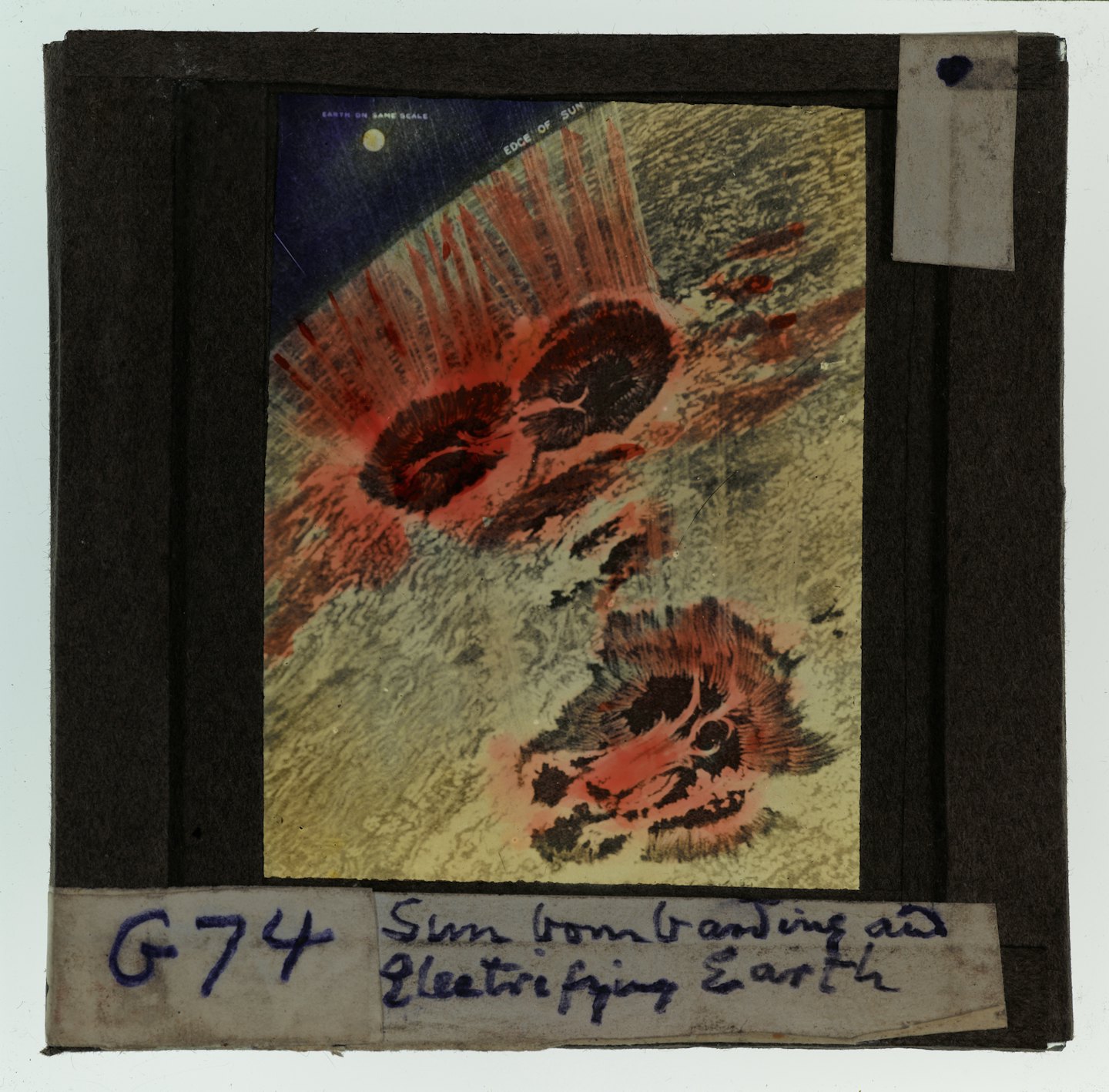
Solar radiation is the amount of energy the Earth receives from the sun. In the UK, solar radiation varies dramatically by season, cloud cover, latitude, and time of day. These variations drive temperature changes, atmospheric mixing, and the formation or dissipation of fog, mist, and cloud layers.
Solar radiation affects:
- Heating & cooling cycles — controlling stability and turbulence.
- Fog formation & dissipation — low radiation preserves fog; high radiation clears it.
- Cloud behaviour — radiation influences cloud thickness and altitude.
- Signal clarity — stable vs unstable layers change propagation paths.
For UK businesses, solar radiation is a performance signal. It determines whether the atmosphere is stable, turbulent, fog‑prone, or clear — and each regime affects mobile performance differently.
Solar Radiation Inside the API‑UK Framework
API‑UK uses solar radiation as a stability indicator. High radiation increases surface heating, which creates rising warm air and turbulence. Low radiation leads to cooling, which stabilises the atmosphere and increases fog persistence.
Solar radiation influences API‑UK scores through:
- Thermal gradients — strong heating creates unstable layers.
- Fog dissipation — radiation breaks up fog and improves clarity.
- Cloud evolution — radiation affects cloud thickness and altitude.
- Signal path stability — stable air improves clarity; unstable air increases scattering.
Solar radiation is not inherently “good” or “bad” — it simply shifts the atmosphere into different performance regimes that API‑UK models and predicts.
The Science Behind Solar Radiation & Signal Behaviour
Solar radiation heats the Earth’s surface, which then warms the air above it. This heating drives convection, turbulence, and vertical mixing — all of which affect how radio waves travel.
Daily Radiation Cycle
- Morning: Low radiation → fog persists → stable but moisture‑heavy.
- Midday: High radiation → turbulence increases → unstable signal paths.
- Evening: Radiation drops → cooling begins → fog risk increases.
How Radiation Affects Signals
Solar radiation influences signal behaviour through:
- Thermal turbulence: Rising warm air disrupts density layers.
- Fog dissipation: Higher radiation reduces droplet density.
- Refraction changes: Heating alters how signals bend through the atmosphere.
- Stability shifts: Clear skies with high radiation create unstable mixing.
Solar Radiation & API‑UK Score Impact
Different radiation levels create different atmospheric performance regimes. The table below shows how solar radiation affects expected performance within the API‑UK model.
| Radiation Level | Atmospheric Behaviour | Mobile Performance Impact | API‑UK Score Shift |
|---|---|---|---|
| Low Radiation | Fog persists, stable layers. | High attenuation, slower loads. | –10 to –25 |
| Moderate Radiation | Fog clears, mild turbulence. | Improved clarity, stable performance. | +5 to +10 |
| High Radiation | Strong heating, high turbulence. | Variable latency, unstable interactions. | –5 to –15 |
| Very High Radiation | Extreme convection, severe instability. | Frequent spikes, unpredictable performance. | –15 to –30 |
What Solar Radiation Means for UK Businesses
Solar radiation changes the structure of the atmosphere your users browse through. These changes directly affect Core Web Vitals, user experience, and conversion rates.
- LCP: Increases during fog persistence or turbulent midday periods.
- INP: Worsens when thermal turbulence disrupts responses.
- TTFB: Rises during unstable atmospheric windows.
- Bounce rate: Increases when performance becomes unpredictable.
- Conversion rate: Drops during fog‑heavy mornings or turbulent afternoons.
Solar Radiation Patterns Across the UK
South East & London
Higher radiation levels in summer create strong turbulence and rapid fog dissipation.
Midlands
Moderate radiation with frequent morning fog persistence in valleys.
North of England & Scotland
Lower radiation overall, leading to longer fog events and more stable layers.
Wales
Mountain shadows reduce radiation, increasing fog duration and moisture retention.
Northern Ireland
Atlantic cloud cover reduces radiation, creating longer low‑radiation periods.
Solar Radiation as a Forward Indicator
Solar radiation is a powerful predictor of atmospheric transitions. API‑UK uses radiation trends to anticipate when fog will clear, when turbulence will peak, and when performance will stabilise or degrade.
- Atmospheric State: Heating, cooling, cloud cover.
- Signal Behaviour: Stability, scattering, refraction.
- User Experience: LCP, INP, TTFB, abandonment risk.
How to Stay Fast Under Changing Radiation Conditions
1. Region‑Aware CDN Routing
Shorten delivery paths during turbulent midday periods.
2. Asset Weight Reduction
Ensure pages remain fast during fog‑heavy mornings.
3. JavaScript Execution Control
Stabilise INP during high‑radiation turbulence windows.
4. Caching & Preloading
Reduce fragile round trips during unstable atmospheric periods.
5. Font & CSS Optimisation
Keep LCP predictable across radiation‑driven transitions.
Case Study: Fog Dissipation in the South East
A UK retailer sees slow performance during early‑morning fog events. As solar radiation increases, fog clears rapidly — but turbulence spikes. Without optimisation, performance remains unstable even after visibility improves.
After implementing TrafficVault’s radiation‑aware optimisation:
- Fog‑period LCP improved by 22%.
- Midday turbulence INP stabilised across mobile networks.
- Conversion rates increased during morning‑to‑midday transitions.
Solar Radiation UK — FAQ
Does solar radiation affect mobile performance?
Yes. Radiation controls fog, turbulence, and stability — all of which affect signal clarity.
Is high radiation good or bad?
Both. It clears fog (good) but increases turbulence (bad).
Does radiation affect 5G?
Yes. Higher‑frequency bands are more sensitive to turbulence and stability shifts.
Why does fog persist in low radiation?
Low radiation prevents surface heating, so droplets don’t evaporate.
How does radiation fit into API‑UK?
Radiation adjusts API‑UK scores based on stability, fog risk, and turbulence intensity.
Solar Radiation Glossary
Solar Radiation
Energy from the sun that heats the Earth’s surface and atmosphere.
Thermal Turbulence
Instability caused by rising warm air.
Fog Dissipation
Droplet evaporation driven by increased radiation.
Refraction
Bending of radio waves due to density changes.
API‑UK
TrafficVault’s index for measuring atmospheric impact on mobile performance.
Related Atmospheric Pages
Engineer Stability Across UK Radiation Conditions
Solar radiation drives the UK’s atmospheric transitions. TrafficVault’s radiation‑aware optimisation systems keep your delivery fast, stable and commercially strong — whether fog is forming, clearing, or turbulence is peaking.
Comprehensive Insights into Solar Radiation Data
Explore critical metrics that reveal how solar radiation influences atmospheric conditions and mobile network performance across the UK.
136
Solar Energy Input
Analyzing the amount of solar radiation impacting the UK’s atmosphere and its role in energy absorption.
78
Atmospheric Stability
Examining solar radiation’s effects on atmospheric layers and its implications for weather patterns and signal quality.
92
API-UK Performance
Detailing how variations in solar radiation affect API-UK scores and mobile network reliability.
85
Optimization Strategies
Outlining methods to enhance mobile network performance under fluctuating solar radiation conditions.
Understanding Solar Radiation’s Role in UK Atmospheric Changes
Explore how solar radiation influences energy input, atmospheric stability, and mobile network efficiency across the UK.

Impact on Energy Input
Solar radiation directly affects the UK’s energy balance, driving critical atmospheric processes and weather patterns.

Enhancing Atmospheric Stability
Our insights reveal how varying solar radiation levels influence atmospheric layers, promoting stability or turbulence.

Optimizing Mobile Network Performance
We analyze solar radiation’s impact on mobile signal quality, offering strategies to boost real-world connectivity.

Improving API-UK Scores
Learn how understanding solar radiation aids in refining API-UK metrics, enhancing network reliability and user experience.
Discover Valuable Learning Materials
This section highlights key resources designed to support learning and development in various fields.
Topic One
This topic covers essential concepts to enhance your understanding.
Topic Two
This topic delves into advanced strategies and techniques.
Topic Three
Explore this topic for foundational knowledge and insights.
Solar Radiation Explained
Discover how solar radiation impacts the UK’s atmosphere and energy systems, enhancing your understanding of its effects.

Understanding Solar Radiation Basics
Explore the science behind solar radiation and its influence on atmospheric stability across the UK.

Impact on API-UK Scores
Learn how solar radiation variations affect API-UK performance metrics and mobile network efficiency.

Optimizing Mobile Network Performance
Strategies to improve mobile connectivity by adapting to changing solar radiation conditions in real time.
