
Understanding Fog’s Impact on UK Connectivity
Discover how foggy conditions influence mobile signals and website functionality across the UK, with insights into atmospheric effects and optimization tips.
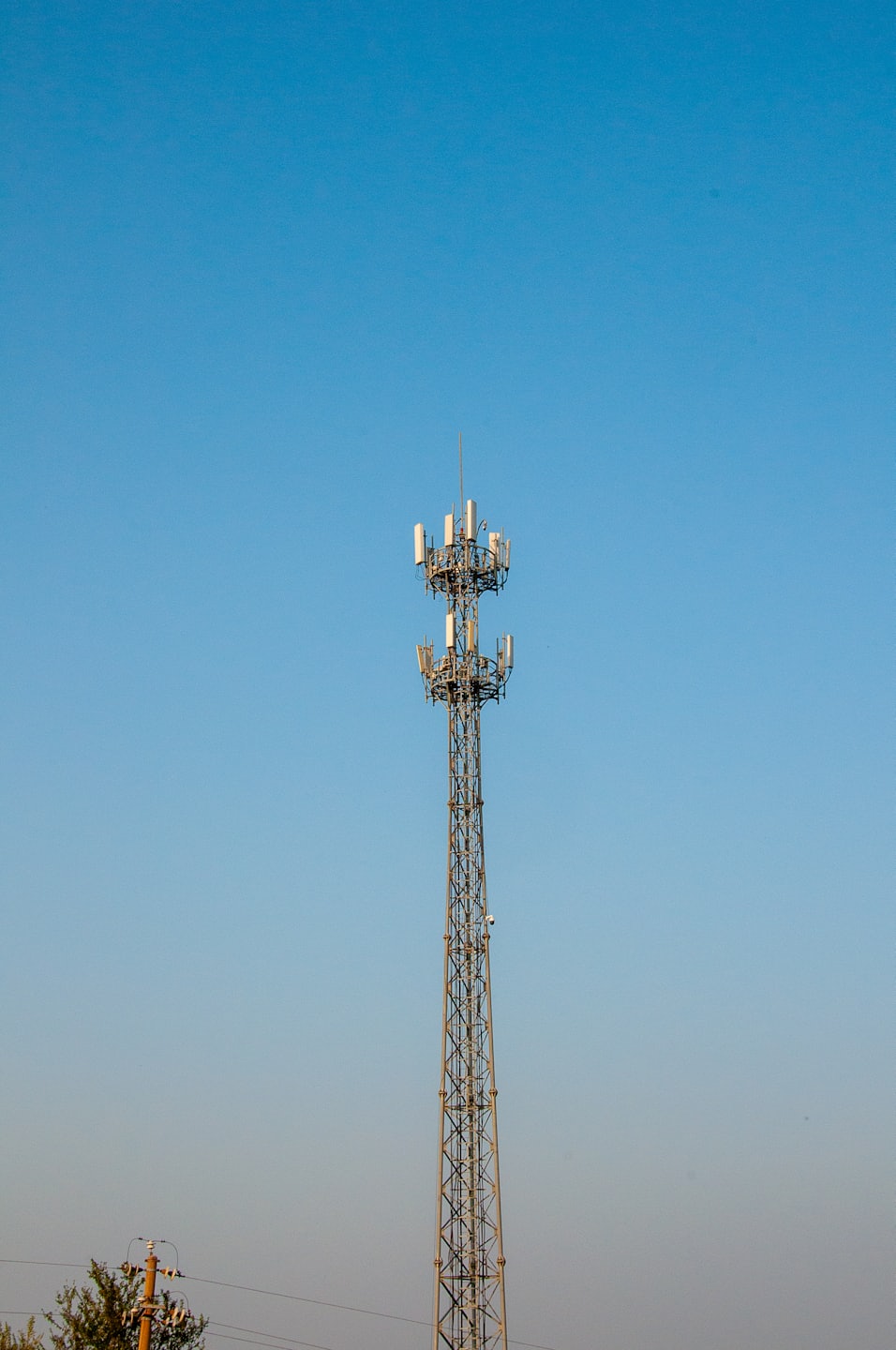
Fog UK
The complete Fog UK guide for businesses that want to understand how fog, moisture density, and atmospheric scattering affect mobile signal and real‑world website performance.
Why Fog Matters
Fog is one of the most disruptive atmospheric conditions for mobile networks. This Fog UK guide explains how moisture density, particle scattering, and air saturation influence signal strength, throughput, and real‑world website performance for UK users.
Fog reduces signal clarity even in areas with strong coverage, affecting mobile browsing speed nationwide.
How Fog Affects Signal (UK Breakdown)
1. Moisture Density
Fog contains dense water droplets that absorb and weaken mobile frequencies, especially 5G.
2. Signal Scattering
Fog particles scatter radio waves, reducing clarity and increasing packet loss.
3. Reduced Line‑of‑Sight
Fog disrupts high‑frequency signals that rely on clear paths between device and tower.
4. Air Saturation
Saturated air increases attenuation, slowing down data transfer and increasing latency.
5. Temperature & Humidity Interaction
Fog forms under specific temperature and humidity conditions that already weaken signal performance.
Why Fog Matters for UK Websites
Fog affects how quickly mobile users can load and interact with your website, especially during winter and early mornings.
- Slower LCP due to reduced signal penetration.
- Higher INP from increased input delay on unstable networks.
- Unstable performance during fog‑dense periods.
- Reduced reliability in coastal and valley regions.
- Lower conversions from inconsistent mobile speed.
Fog‑aware optimisation is essential for UK businesses with mobile‑first audiences.
Fog Patterns in the UK
The UK’s climate creates frequent fog conditions that impact mobile performance.
- Coastal fog: dense moisture reduces 5G clarity and increases latency.
- Valley fog: trapped moisture creates localised performance drops.
- Winter fog: cold, dense air amplifies signal absorption.
- Urban fog: moisture combined with interference reduces throughput.
- Morning fog: peak browsing hours often overlap with fog formation.
Many UK websites see performance drops during fog events, even when servers are fully optimised.
Common Fog‑Related Issues (UK Websites)
- Slow LCP from delayed asset delivery in fog‑dense conditions.
- High INP due to unstable mobile connections.
- Slow TTFB from routing delays caused by moisture scattering.
- Inconsistent performance across different regions.
- High abandonment during poor signal periods.
How to Improve Performance During Fog (UK Strategy)
- Compress images — essential for weak or unstable connections.
- Reduce JavaScript — faster interactions on variable networks.
- Use a CDN — improves delivery consistency across the UK.
- Enable HTTP/3 — better performance on mobile networks.
- Optimise fonts — reduce rendering delay.
What Fog‑Aware Optimisation Can Achieve
With the right optimisation strategy, UK websites can achieve:
- Faster LCP in all fog conditions.
- Lower INP during real‑world interactions.
- Better Core Web Vitals nationwide.
- Reduced bounce rates during poor signal periods.
- Higher SEO rankings from consistent mobile speed.
Fog‑aware optimisation is one of the most impactful upgrades for UK websites today.
Improve Fog UK Performance Today
If you want faster delivery, stronger rankings, and a fully mobile‑optimised setup — TrafficVault’s fog‑aware performance systems are engineered for UK businesses that want real results.
Understanding How Fog Affects Your Mobile Signal and Web Experience
Discover the impact of fog and atmospheric moisture on connectivity and learn practical ways to enhance your mobile and website performance during foggy conditions.

Impact of Moisture Density on Signal Strength
Explore how increased moisture in the air scatters radio waves, weakening mobile signals, and strategies to mitigate these effects for clearer communication.

Effects of Particle Scattering in Foggy Atmospheres
Learn how tiny particles within fog disrupt signal clarity and how to optimize devices and networks to maintain strong connections despite atmospheric interference.

Optimizing Website Performance During Foggy Weather
Understand how air saturation influences data transmission and discover techniques to ensure your website remains fast and reliable even in dense fog conditions.
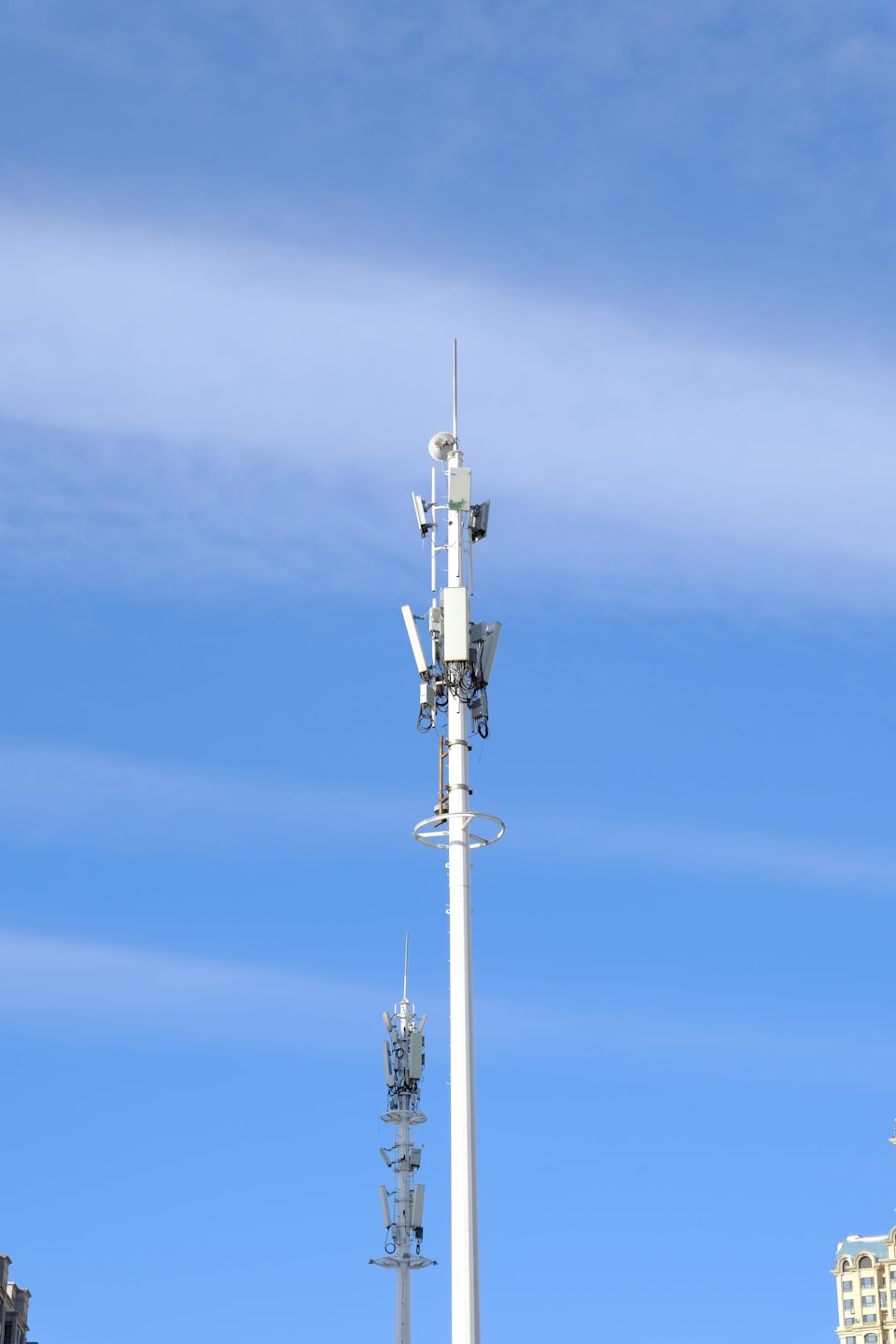
Understand Fog Impact on Signals
This guide explains how fog and atmospheric moisture affect mobile signals and website performance across the UK.

Moisture Density Effects
Learn how water droplets in fog weaken and scatter signal waves, reducing clarity.
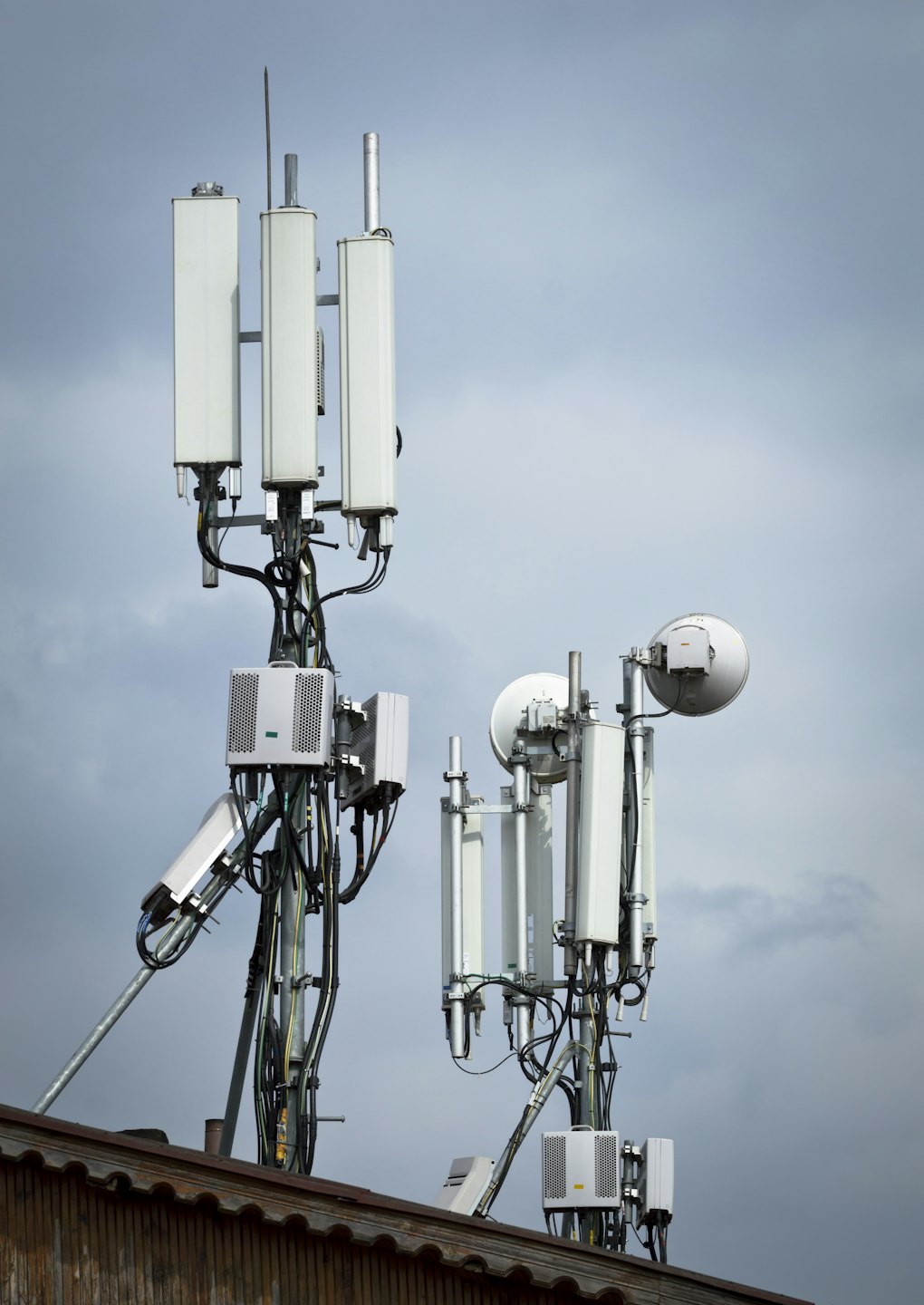
Particle Scattering
Discover how fog particles disrupt signal paths and degrade connectivity quality.
Optimization Strategies
Explore methods to improve website and signal performance during foggy conditions.
Comprehensive Insight into Fog Impact Metrics
Explore critical data revealing how fog and atmospheric conditions affect mobile signals and website performance across the UK.
78
Signal Clarity Index
Measures the reduction in mobile signal clarity due to fog density variations in urban areas.
65
Website Load Stability
Evaluates website response times and stability during varying fog and moisture conditions.
82
Particle Scattering Effect
Assesses how moisture particles scatter signals, impacting connectivity quality in foggy weather.
74
Optimization Efficiency
Details strategies to improve website performance and signal strength during dense fog events.
Understanding Fog’s Impact
Discover how fog influences mobile signals and website speed, and learn methods to optimize your experience during foggy conditions.

Step One: Fog and Signal Basics
Explore how moisture and particle density affect mobile signal clarity, laying the groundwork for improving connectivity in fog.

Step Two: Website Optimization
Learn strategies to enhance website performance despite atmospheric challenges caused by dense fog and air saturation.

Step Three: Practical Solutions
Find effective techniques to counteract fog-related signal loss and maintain seamless online activity under adverse weather.
