
Enhance Indoor Mobile Coverage with Confidence
Discover how our guide empowers businesses to boost signal strength, reduce interference, and maintain reliable data speeds indoors.
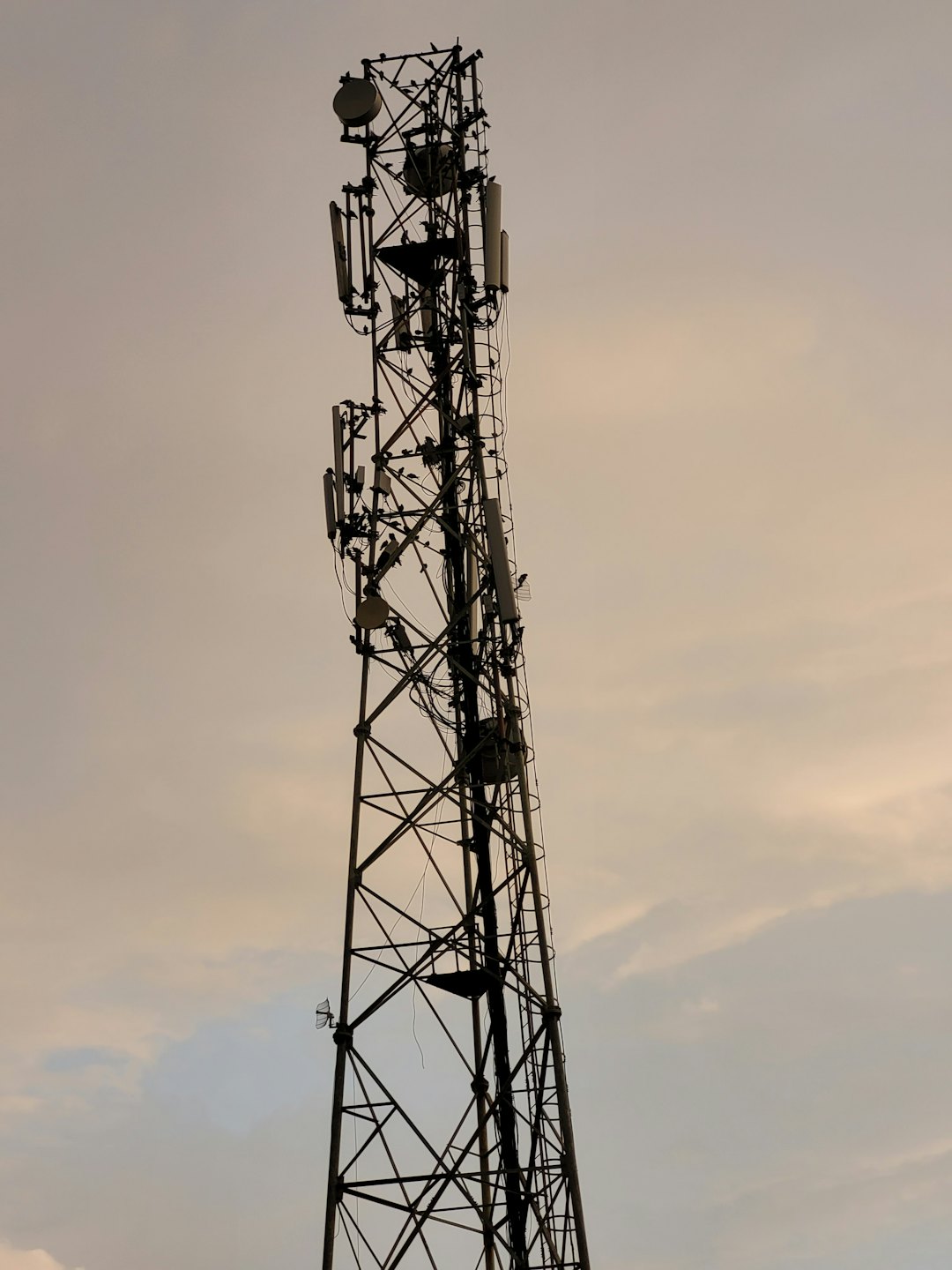

Optimized Signal Performance
Learn techniques to improve indoor signal quality, ensuring seamless connectivity and reducing call drops within your premises.

Interference Reduction Strategies
Understand methods to minimize signal disruptions caused by building materials and electronic devices for a clearer connection.

Consistent Data Speeds
Implement solutions that maintain steady and fast data transmission, enhancing productivity and user experience indoors.
Indoor Coverage UK
The complete Indoor Coverage UK guide for businesses that want stronger mobile performance, reduced signal loss, and consistent real‑world speed inside UK buildings.
Why Indoor Coverage Matters
Indoor coverage determines how reliably users can connect to mobile networks inside homes, offices, shops, and commercial buildings. This Indoor Coverage UK guide explains how building materials, interference, tower distance, and network conditions affect LCP, INP, and real‑world performance.
Most mobile browsing happens indoors — making indoor coverage one of the biggest real‑world performance factors in the UK.
How Indoor Coverage Works (UK Breakdown)
1. Building Materials
Concrete, brick, insulation, and metal structures block or weaken mobile signal significantly.
2. Window Coatings
Modern energy‑efficient glass reduces signal penetration, especially for 5G.
3. Tower Distance
The further the building is from the nearest mast, the weaker the indoor signal.
4. Frequency Bands
Lower frequencies penetrate buildings better; higher frequencies struggle indoors.
5. Indoor Interference
Electronics, wiring, and internal structures create interference that reduces throughput.
Why Indoor Coverage Matters for UK Websites
Indoor coverage affects how quickly users can load and interact with your website inside real‑world environments.
- Slower LCP due to reduced signal penetration.
- Higher INP from increased input delay.
- Unstable performance in large or insulated buildings.
- Reduced reliability during peak congestion.
- Lower conversions from inconsistent mobile speed.
Indoor‑aware optimisation is essential for UK businesses with mobile‑first audiences.
Indoor Coverage Patterns in the UK
Indoor coverage varies across the UK depending on building type, materials, and network provider.
- Modern buildings: heavy insulation and coated glass reduce signal strength.
- Older buildings: thick brick and stone walls block mobile frequencies.
- Commercial spaces: metal structures and wiring create interference.
- Basements: extremely weak or no mobile coverage.
- Network differences: each provider performs differently indoors.
Many UK websites see performance drops indoors, even when outdoor coverage is strong.
Common Indoor Coverage Issues (UK Websites)
- Slow LCP from delayed image and font delivery.
- High INP due to unstable indoor signal.
- Slow TTFB from mobile routing delays.
- Inconsistent performance across different building types.
- High abandonment on weak indoor connections.
How to Improve Performance Indoors (UK Strategy)
- Compress images — essential for weak indoor connections.
- Reduce JavaScript — faster interactions on unstable networks.
- Use a CDN — improves delivery consistency indoors.
- Enable HTTP/3 — better performance on mobile networks.
- Optimise fonts — reduce rendering delay.
What Better Indoor Coverage Optimisation Can Achieve
With the right optimisation strategy, UK websites can achieve:
- Faster LCP indoors and outdoors.
- Lower INP during real‑world interactions.
- Better Core Web Vitals nationwide.
- Reduced bounce rates in low‑signal environments.
- Higher SEO rankings from consistent mobile speed.
Indoor‑aware optimisation is one of the most impactful upgrades for UK websites today.
Improve Indoor Coverage UK Performance Today
If you want faster delivery, stronger rankings, and a fully mobile‑optimised setup — TrafficVault’s indoor‑aware performance systems are engineered for UK businesses that want real results.
Enhancing Indoor Mobile Coverage for Your Business Needs
Explore common indoor signal challenges and discover how our guide offers practical solutions tailored to improve connectivity in your workspace.
Optimizing Signal Strength Indoors
Learn how strategic placement of signal boosters can quickly amplify mobile coverage, ensuring reliable connections throughout your building.
Reducing Signal Interference
Understand methods to minimize interference from building materials and electronic devices, transforming weak signals into seamless coverage.
Ensuring Consistent Data Speeds
Find out how to maintain steady data transfer rates within your premises to support uninterrupted business communications.

Tailored Solutions for Complex Environments
Discover how customized indoor coverage plans address recurring connectivity issues, delivering sustained performance improvements where standard solutions fall short.
How Indoor Coverage Works
Explore our detailed guide to improving indoor mobile signal step-by-step for seamless connectivity.

Step One: Assess Your Building’s Signal
Our guide helps identify indoor coverage challenges unique to your premises.

Step Two: Choose the Right Solution
We offer tailored options to enhance signal strength and reduce interference indoors.

Step Three: Implementation & Optimization
Ensure consistent data speeds with solutions designed for your building’s layout.
Enhance Indoor Mobile Connectivity
This section provides expert insights and practical tips to improve mobile signal strength inside UK buildings.
Signal Optimization
Learn techniques to boost indoor signal quality for seamless communication.
Interference Reduction
Discover methods to minimize disruptions affecting your indoor mobile coverage.
Data Speed Consistency
Understand how to maintain reliable data speeds throughout your premises.

Enhance Your Indoor Coverage Starting Now
Discover how improved indoor mobile signals can boost your business. Learn practical tips and solutions to optimize coverage within your premises for seamless connectivity.
